-
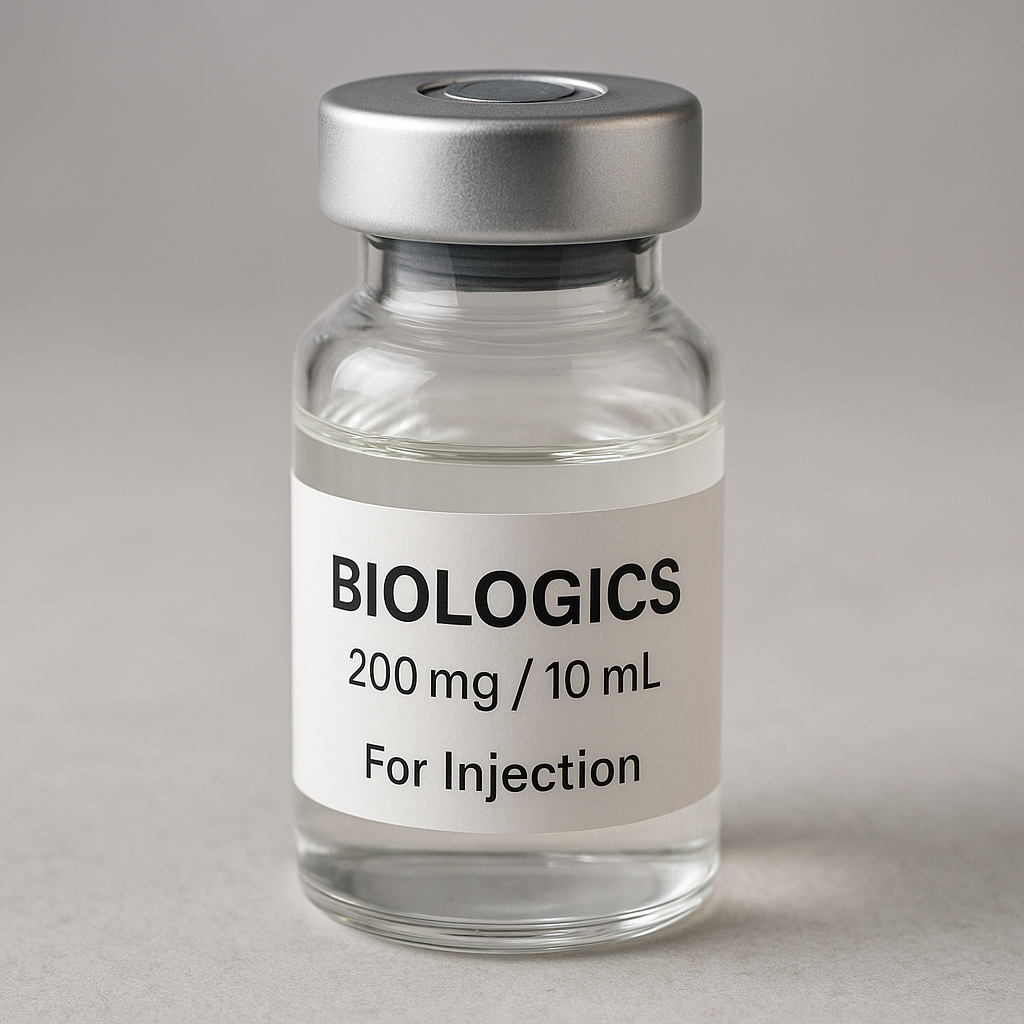
Small-batch biologics manufacturing enables early-stage clinical and rare disease production.
-
CDMOs offering this service help biotech firms manage costs and timelines.
-
Trends include modular cleanrooms, single-use systems, and flexible scheduling.
-
Strategic outsourcing allows for faster IND filings and clinical readiness.
-
Choosing the right CDMO requires assessing tech stack, scalability, and regulatory readiness.
Introduction: Why Small-Batch Biologics Matter
In an era where precision medicine, rare disease therapies, and cell & gene treatments are booming, the need for small-scale, high-precision manufacturing has never been more urgent. Biotech startups, especially those in preclinical or clinical stages, face the dual challenge of proving efficacy while conserving capital. Enter the small-batch biologics CDMO.
Contract Development and Manufacturing Organizations (CDMOs) offering small-batch capacity are not just filling production gaps—they’re strategic enablers for innovation. This article explores how this specialized service is fueling the biotech boom, and why emerging biopharma should care.
What Is Small-Batch Biologics Manufacturing?
Small-batch biologics manufacturing involves producing small volumes of biologic drug products, such as monoclonal antibodies (mAbs), recombinant proteins, or gene therapies, typically for:
-
Preclinical testing
-
Phase I and II trials
-
Personalized medicine
-
Rare/orphan disease programs
-
Specialty biologics and biosimilars
Batch sizes often range from 100L to 2000L, though some gene therapy platforms require less than 50L. This flexibility allows cost-effective and GMP-compliant production while reducing waste and risk.
How CDMOs Support Small-Batch Biologics
CDMOs focused on small-batch services offer biotech startups key advantages:
Lower Capital Investment
Building an in-house GMP facility costs millions and months. Outsourcing allows small firms to allocate capital elsewhere—R&D, clinical trials, or fundraising.
Speed to Clinic
CDMOs have ready-to-use infrastructure and experience with regulatory filings. Biotechs can go from bench to IND faster.
Access to Expertise
Many CDMOs employ PhDs, regulatory experts, and engineers. Their cross-product, cross-client experience is invaluable for early-stage formulation, analytics, and process development.
Regulatory Support
Specialist CDMOs offer QP release, CMC documentation, and even pre-IND consulting—vital for first-time filers.
Key Technologies in Small-Batch Biologics CDMOs
To remain competitive, CDMOs serving small-batch biologics clients invest in the following tech:
Single-Use Bioreactors
Minimize contamination risks and cut cleaning/validation time—ideal for startups pivoting quickly between assets.
Modular Cleanrooms
CDMOs can scale or pivot capacity with minimal downtime by installing ISO-grade cleanroom pods.
Analytical Method Development
Smaller batches require precision. Analytical tools like ELISA, SDS-PAGE, and qPCR are integrated early for stability and potency testing.
Flexible Scheduling Platforms
Modern CDMOs use AI-powered scheduling and inventory tools to accommodate biotech clients needing short lead times.
Industry Trends Driving Demand
Rise of Rare and Orphan Diseases
Small patient populations mean production volumes are lower—but quality and regulatory compliance are non-negotiable.
Personalized Biologics and ATMPs
Autologous cell therapies (like CAR-T) often need micro-batch manufacturing. CDMOs offering this flexibility are in high demand.
Platform Agnosticism
CDMOs that can handle mRNA, viral vectors, and fusion proteins without requiring scale-up offer significant agility.
Decentralized Clinical Trials
With distributed trial models, biologics need to be packaged and shipped in smaller, more frequent batches.
How to Choose the Right CDMO for Small-Batch Biologics
Emerging biotechs must be highly selective. Here are critical selection factors:
Tech Transfer Experience
A CDMO that’s handled dozens of early-phase transfers will troubleshoot faster and reduce surprises.
Process Flexibility
Can they support upstream and downstream variations, such as microbial and mammalian expression systems?
Scalability Roadmap
Even if your first batch is 100L, your partner should be able to scale to 1000L—or connect you to their large-scale partners.
Regulatory Track Record
Ask how many INDs or BLA-enabling batches they’ve supported, and whether they’ve passed FDA/EMA inspections.
Speed to First Batch
For VC-backed biotechs, timelines mean everything. Confirm their current lead time, not just capacity.
Real-World Example: Case Study Snapshot
A Boston-based biotech developing an mRNA-based rare disease therapy partnered with a CDMO specializing in 250L single-use bioreactors. With no in-house facility and limited Series A funds, they relied on the CDMO for:
-
Analytical method development
-
GMP manufacturing
-
IND support
Outcome: First patient dosing in under 9 months from tech transfer—saving time and millions in infrastructure.
Common Pitfalls to Avoid
-
Overpromising scalability – Not all CDMOs can grow with you.
-
Ignoring hidden costs – Some CDMOs charge for tech transfer, storage, batch records, etc.
-
Not aligning quality cultures – GMP interpretation varies; audit your CDMO’s systems.
The Future: Where Small-Batch CDMOs Are Headed
With the rise of modular facilities, closed-system processing, and digital twin modeling, the future of small-batch biologics is bright. Expect growth in:
-
Mobile cleanroom leasing
-
AI-driven batch scheduling
-
Integrated QC, QA, and regulatory platforms
The best CDMOs will no longer be just manufacturers—they’ll be biotech co-pilots.
Frequently Asked Questions (FAQ)
What is considered a “small batch” in biologics manufacturing?
Typically between 100L–2000L, though smaller batches (10L–50L) are common for gene/cell therapies.
Why not just manufacture in-house?
Cost, time, and regulatory complexity. CDMOs help startups avoid CAPEX-heavy GMP builds.
Can small-batch CDMOs help with regulatory filings?
Yes—many offer IND support, CMC sections, QP certification, and FDA meeting prep.
Are small-batch CDMOs only for Phase I?
Not at all. Many also support Phase II/III, compassionate use, and even low-volume commercial launches.
What questions should I ask a prospective CDMO?
Key ones include:
-
How many INDs have you supported?
-
What are your current cleanroom availabilities?
-
Do you support mRNA or viral vectors?
Conclusion
Small-batch biologics CDMO capacity is no longer a niche offering—it’s a strategic necessity for biotechs aiming to move fast, de-risk early manufacturing, and extend funding runways.
By choosing the right CDMO partner, startups can shift from concept to clinic with confidence—backed by the right tools, talent, and technology.


