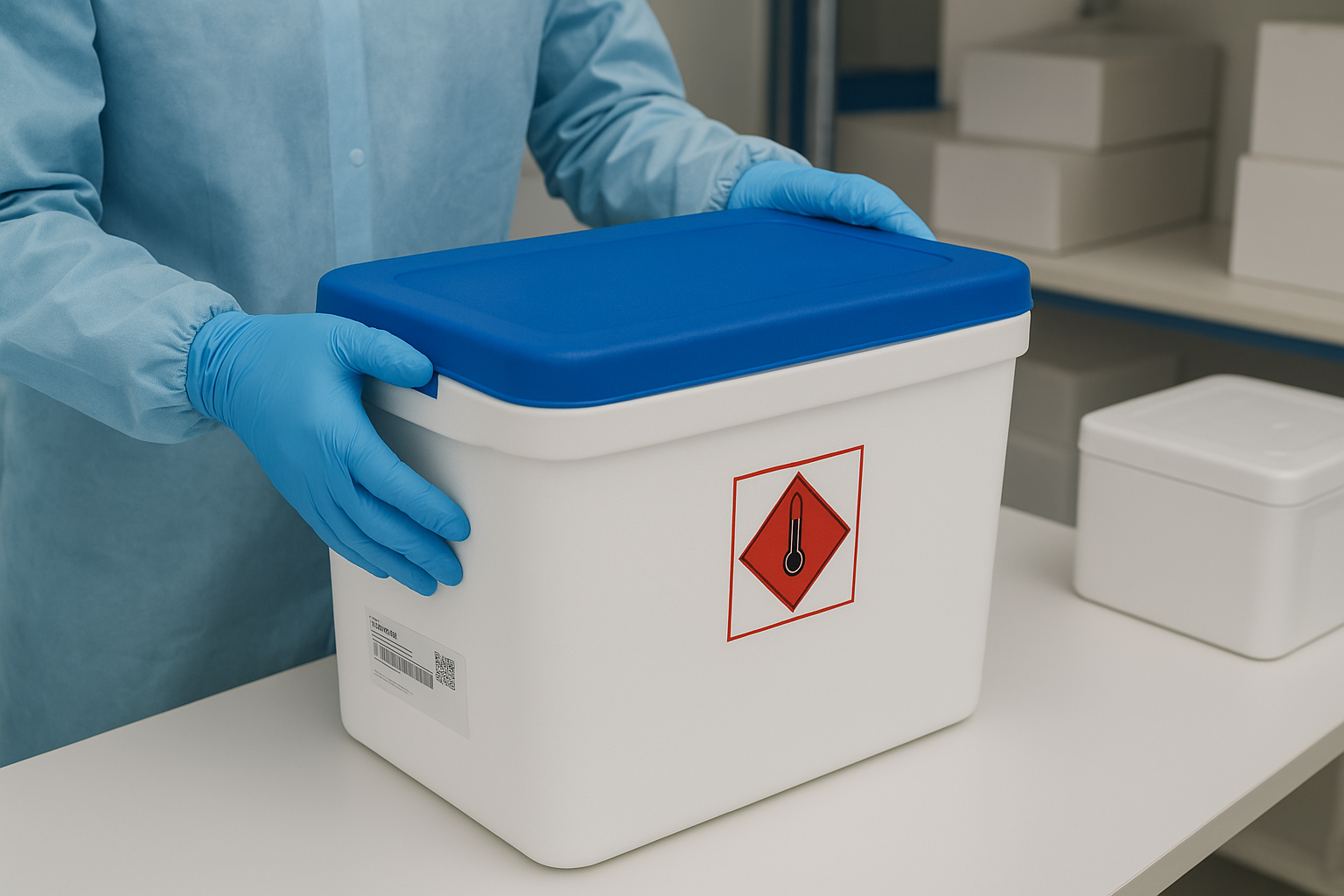
Introduction to Pharmaceutical CDMO Cold Chain Shipping
The global pharmaceutical industry is experiencing a paradigm shift as therapies become more specialized, temperature-sensitive, and biologically complex. Contract Development and Manufacturing Organizations (CDMOs) are central to this evolution, offering both development expertise and large-scale production support. One of the most critical aspects of this support is pharmaceutical CDMO cold chain shipping, which ensures that sensitive biologics, vaccines, and advanced therapeutics remain safe and effective from the point of manufacture to the patient. Without a reliable cold chain framework, the integrity of drug products would be compromised, regulatory standards would be at risk, and patient outcomes could be severely affected.
Why Cold Chain Logistics Is Critical for Pharmaceutical CDMOs
Cold chain logistics in CDMOs is not merely an operational concern but a foundational requirement for modern drug development. Temperature excursions of even a few degrees can lead to degradation, potency loss, or complete product failure. Pharmaceutical CDMO cold chain shipping provides the assurance that therapeutic products retain their efficacy through rigorous controls in storage, transportation, and handling. As new biologics enter the market, the demand for precise cold chain systems continues to accelerate, making it an indispensable component of pharmaceutical logistics.
This growing emphasis on stability and quality highlights the importance of frameworks like those detailed in Pharmaceutical Cold Chain Logistics: Ensuring Drug Product Integrity and Compliance, where compliance with Good Distribution Practices and international regulatory mandates remains a non-negotiable factor for CDMOs seeking to remain competitive.
Evolution of Pharmaceutical CDMO Cold Chain Shipping
Historically, CDMOs focused on small molecule APIs that were less temperature-sensitive and logistically simpler to distribute. However, with the rise of biologics, gene therapies, and vaccines, the situation has changed dramatically. Today, nearly 80% of new drug approvals involve biologics or specialized molecules requiring stringent cold chain oversight. This shift places pharmaceutical CDMO cold chain shipping at the center of development strategies and supply chain management.
As highlighted in Small-Batch Biologics CDMO Capacity: A Game-Changer for Emerging Biotech, smaller biotech companies rely heavily on CDMOs that can manage not only production but also distribution of sensitive therapies in controlled environments. The capacity to ship small batches securely and on time can be the difference between a successful clinical trial and costly delays.
Regulatory Pressures Driving Cold Chain Adoption
Regulatory authorities such as the FDA, EMA, and WHO enforce strict guidelines for the storage and transportation of temperature-sensitive pharmaceuticals. For CDMOs, failing to adhere to these standards can result in batch rejections, compliance penalties, or reputational damage. Pharmaceutical CDMO cold chain shipping must align with detailed regulatory expectations, including validated shipping containers, real-time monitoring systems, and data documentation for every shipment.
This regulatory complexity is further intensified by global distribution challenges. Shipping a biologic from a CDMO in Europe to clinical sites in Asia requires not just temperature control but also an infrastructure capable of adapting to different climates, customs processes, and transport durations. A single lapse could compromise an entire supply chain.
Technology and Innovation in Cold Chain Shipping
Advanced technology is transforming pharmaceutical CDMO cold chain shipping. Smart packaging solutions with embedded sensors, GPS-enabled tracking systems, and cloud-based monitoring platforms allow stakeholders to observe shipments in real time. This visibility ensures rapid response in case of deviations and strengthens confidence in the reliability of supply.
In addition, predictive analytics and AI-driven logistics planning are enabling CDMOs to anticipate risks before they occur. For example, predictive models can assess weather conditions, transportation bottlenecks, or customs delays and adjust routes accordingly. These technological innovations create a more resilient and adaptive cold chain ecosystem that meets both regulatory expectations and client needs.
Cold Chain Strategies to Protect Product Integrity
The main goal of pharmaceutical CDMO cold chain shipment is to preserve product integrity. Robust strategies include validated thermal packaging, redundant temperature control systems, and detailed chain-of-custody protocols. As discussed in Maintaining Drug Integrity: Key Cold Chain Logistics Strategies, these approaches are essential to preserving quality and safety during every stage of shipment.
Another critical strategy involves risk management frameworks. CDMOs must identify vulnerabilities in their cold chain networks, such as reliance on specific carriers or inadequate infrastructure in certain regions. Mitigation plans, including multiple shipping partners and diversified distribution hubs, reduce dependency and increase resilience against disruptions.
The Role of Quality by Design in Cold Chain Processes
Cold chain shipping is not an afterthought but a design consideration integrated into early development stages. Quality by Design (QbD) methodologies ensure that stability and transportation requirements are embedded into the formulation process. CDMOs adopting QbD approaches can reduce regulatory risks by proactively addressing variables that affect drug stability.
In the context of small molecule development, QbD Strategy for Small Molecule APIs: Reducing CDMO Regulatory Risk illustrates how applying these principles minimizes uncertainty and strengthens compliance outcomes. Similarly, for biologics, QbD ensures that formulation, packaging, and logistics align seamlessly, creating a continuum of quality assurance from development to delivery.
Digital Transformation in Cold Chain Logistics
CDMO cold chain delivery for pharmaceuticals is being redefined by the digital revolution. Real-time dashboards, digital twins, and blockchain-based systems are enhancing transparency, predictability, and accountability in logistics. Digital twins, in particular, are revolutionizing how CDMOs test and optimize their cold chain workflows. By simulating shipment conditions, CDMOs can identify weak points and test solutions before implementing them in real operations.
This approach is explored further in How Digital Twins Are Revolutionizing Formulation Development in CDMOs, where the integration of digital replicas reduces risks, cuts costs, and ensures a higher degree of reliability in formulation and shipping processes. For CDMOs, digital transformation is not optional but an operational necessity to meet evolving client demands.
Globalization and Cold Chain Challenges
Pharmaceutical CDMO cold chain shipping must navigate increasingly global supply networks. Biologics developed in North America may require trials in Asia and commercial launches in Europe. This globalization amplifies the complexity of maintaining consistent cold chain standards across diverse geographies.
Each market introduces distinct logistical and regulatory challenges. For instance, a CDMO distributing to Latin America may face limited cold chain infrastructure, while shipments to remote clinical sites in Africa may involve extended transit times. Overcoming these challenges requires global partnerships, investment in infrastructure, and alignment with international logistics providers specializing in pharmaceuticals.
Expanding Role of CDMOs in Biologic and Advanced Therapy Distribution
The rise of biologics, cell therapies, and mRNA vaccines has redefined the role of CDMOs. Beyond manufacturing, CDMOs are increasingly viewed as integrated supply chain partners. Pharmaceutical CDMO cold chain shipping is now a central offering that clients expect as part of a full-service development package.
Emerging biotech companies, in particular, depend on CDMOs for both expertise and infrastructure. Many lack in-house distribution capabilities and rely on CDMOs to manage cold chain shipping for clinical trials and commercial launches. This dependency has elevated cold chain expertise into a competitive differentiator among CDMOs.
Strengthening Infrastructure for Pharmaceutical CDMO Cold Chain Shipping
The expansion of biologics and advanced therapies is putting pressure on CDMOs to strengthen their cold chain infrastructure. Investments in state-of-the-art storage facilities, validated freezers, and high-performance insulated containers are now standard. Pharmaceutical CDMO cold chain shipping relies on infrastructure that can handle everything from small-batch biologics for early clinical studies to commercial-scale vaccine production.
Developing such infrastructure requires collaboration with specialized logistics providers and regulatory authorities. CDMOs that build advanced cold chain hubs near major clinical trial centers or distribution routes gain an advantage by reducing transit times and minimizing risks of temperature deviations. As described in Pharmaceutical Cold Chain Logistics: Ensuring Drug Product Integrity and Compliance, ensuring infrastructure is compliant with global quality standards is not optional but mandatory.
The Cost Dynamics of Cold Chain Shipping
Pharmaceutical CDMO cold chain shipping is cost-intensive due to the complexity of systems and the need for redundancies. High-performance containers, real-time monitoring systems, and specialized transport increase expenses. However, the cost of a single temperature excursion or spoiled batch is far higher than preventive investments.
Clients increasingly expect CDMOs to demonstrate cost efficiency while ensuring compliance. This has led many CDMOs to optimize distribution routes, negotiate strategic partnerships with carriers, and adopt digital monitoring platforms to minimize unnecessary expenditures. Cost optimization without compromising quality is now a defining factor in cold chain competitiveness.
Risk Mitigation and Business Continuity
The pharmaceutical supply chain is vulnerable to multiple risks, from natural disasters to geopolitical tensions. CDMOs must design their cold chain shipping frameworks to withstand disruptions. A key tactic is business continuity planning, which guarantees that product integrity is maintained even in the case of unforeseen delays.
For small and emerging biotech companies, resilience in cold chain management is especially critical. As shown in Small-Batch Biologics CDMO Capacity: A Game-Changer for Emerging Biotech, smaller firms cannot afford setbacks in their development timelines. CDMOs that integrate risk mitigation into their cold chain frameworks become long-term partners rather than just service providers.
Integrating Sustainability into Cold Chain Logistics
Sustainability is becoming a significant factor in pharmaceutical CDMO cold chain shipping. Carbon emissions are frequently caused by conventional shipping containers and refrigerants. As global industries move toward greener practices, CDMOs are adopting eco-friendly packaging, renewable energy-powered storage facilities, and optimized shipping routes to reduce environmental impact.
While sustainability adds new challenges, it also provides opportunities for CDMOs to differentiate themselves. Clients and regulators are increasingly focused on green logistics, and demonstrating sustainable cold chain systems can enhance brand reputation and market competitiveness.
Data Integrity and Compliance in Cold Chain Systems
In addition to physical temperature control, pharmaceutical CDMO cold chain shipping requires strict data integrity. Every shipment step needs to be tracked down and recorded.Regulatory agencies demand audit-ready records that demonstrate full compliance with Good Distribution Practices.
Blockchain and digital record-keeping are being integrated into CDMO workflows to provide tamper-proof data trails. As noted in Maintaining Drug Integrity: Key Cold Chain Logistics Strategies, documentation and compliance are not just supportive measures but central elements of drug safety and trust.
The Role of Digital Twins in Shipping Optimization
Digital transformation continues to expand its role in CDMO operations. By using digital twins, CDMOs can replicate real-world shipping scenarios virtually, enabling them to predict outcomes before physical shipments take place. This allows them to identify weak links and preemptively address issues.
Incorporating How Digital Twins Are Revolutionizing Formulation Development in CDMOs into logistics processes has proven to be highly valuable. Digital twins are not limited to formulation but extend into packaging, shipping, and real-time monitoring, creating a cycle of continuous improvement that strengthens the entire cold chain ecosystem.
Future Outlook of Pharmaceutical CDMO Cold Chain Shipping
The future of pharmaceutical CDMO cold chain shipping will be shaped by three main factors: the rise of personalized medicine, digital transformation, and global health demands. Personalized therapies such as autologous cell treatments require ultra-precise cold chain systems, sometimes involving cryogenic temperatures.
Digital platforms will continue to evolve, integrating AI, blockchain, and predictive analytics into logistics. Meanwhile, global health challenges such as pandemics will demand scalable, reliable CDMO networks capable of rapid deployment. The market will be led by CDMOs who can satisfy these demands.
Conclusion
Pharmaceutical CDMO cold chain shipping has transformed from a logistical afterthought into a central pillar of modern drug development and distribution. The rise of biologics, personalized therapies, and global distribution challenges has pushed CDMOs to expand capabilities, adopt new technologies, and meet stricter compliance standards. By combining infrastructure investment, digital transformation, and sustainability, CDMOs can safeguard drug product integrity and support the future of advanced medicine.
FAQs
1. What is pharmaceutical CDMO cold chain shipping?
It refers to the controlled storage and transportation of temperature-sensitive pharmaceutical products managed by Contract Development and Manufacturing Organizations (CDMOs).
2. Why is cold chain logistics critical for biologics?
Biologics are highly sensitive to temperature fluctuations. Even small deviations can cause loss of efficacy, making controlled shipping essential.
3. How do CDMOs maintain regulatory compliance in cold chain shipping?
They follow Good Distribution Practices, use validated containers, implement real-time monitoring, and ensure complete data integrity for audits.
4. What technologies are shaping pharmaceutical CDMO cold chain shipping?
Digital twins, blockchain, smart packaging, and predictive analytics are key technologies enhancing visibility and reliability.
5. Are small biotech companies dependent on CDMOs for cold chain management?
Yes. Many smaller firms lack infrastructure and rely on CDMOs to handle cold chain logistics for both clinical and commercial supply.
6. How does sustainability fit into cold chain shipping?
CDMOs are adopting eco-friendly materials, energy-efficient storage, and optimized routes to reduce environmental impact.
7. What risks exist in global cold chain distribution?
Risks include customs delays, infrastructure gaps in emerging regions, natural disasters, and geopolitical disruptions.
8. How do Quality by Design principles support cold chain shipping?
QbD integrates stability and shipping requirements into early development, reducing risks and ensuring product quality from the start.
References
- World Health Organization (WHO) – Good Distribution Practices for Pharmaceuticals
- U.S. Food and Drug Administration (FDA) – Guidelines for Temperature-Controlled Pharmaceuticals
- European Medicines Agency (EMA) – GDP Compliance Standards
- International Air Transport Association (IATA) – Temperature-Sensitive Cargo Regulations
- Pharmaceutical Inspection Co-operation Scheme (PIC/S) – GDP Standards
- International Society for Pharmaceutical Engineering (ISPE) – Cold Chain Logistics Resources


