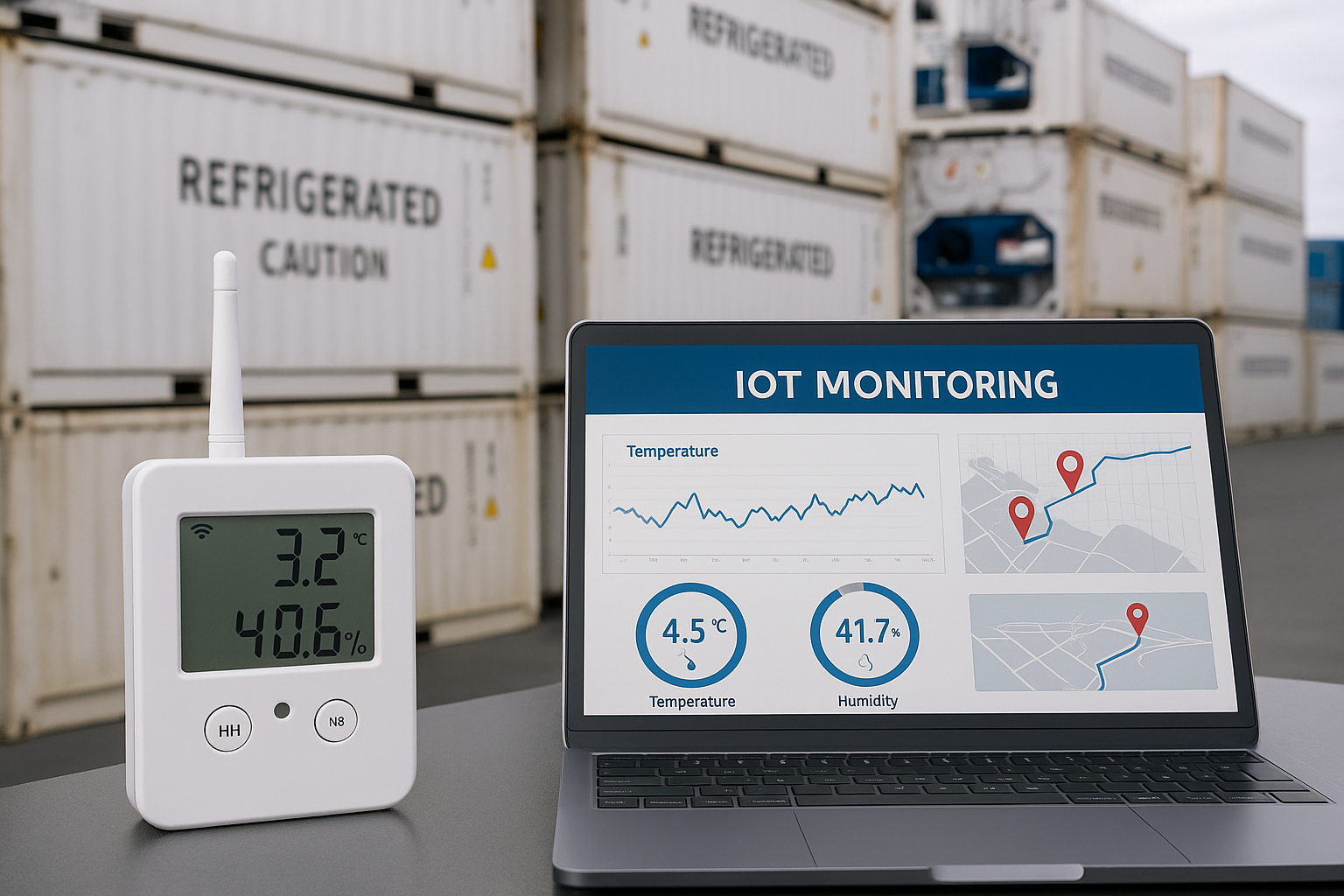
Biologics—including monoclonal antibodies, gene therapies, and mRNA vaccines—are among the most temperature-sensitive therapeutics in modern medicine. Even minor deviations outside validated ranges (commonly +2°C to +8°C or ultra-cold −20°C to −80°C) can cause degradation and loss of efficacy 【Journal of Pharmaceutical Sciences】. With the global biologics market projected to surpass USD 720 billion by 2030 【Grand View Research】, ensuring integrity during the pharmaceutical cold chain process is both a scientific necessity and a commercial imperative.
The Internet of Things (IoT) has revolutionized how biologics are stored and transported. By enabling real-time monitoring, predictive analytics, and automated compliance, IoT offers visibility across the entire supply chain—from the production facility to the patient.
Why IoT Matters in Cold Chain Logistics
Traditional monitoring systems relied on passive indicators or delayed data retrieval. These approaches often failed to detect issues until after delivery, putting shipments worth millions at risk.
IoT technology addresses these shortcomings by providing:
- Continuous real-time monitoring of temperature, humidity, and location.
- Predictive analytics to detect and anticipate risks before excursions occur.
- Automated regulatory compliance documentation for authorities such as the FDA and EMA.
This visibility makes IoT essential for maintaining biologics’ efficacy.
Key Components of IoT-Enabled Cold Chain Monitoring
1. Sensor Networks
IoT cold chain systems use embedded wireless sensors in containers, pallets, and packaging. These sensors track:
- Temperature & Humidity (critical for biologics)
- Light Exposure (important for photosensitive products like certain vaccines)
- Shock & Vibration (impacting cell therapies and fragile formulations)
- GPS Location (end-to-end traceability across shipping corridors)
2. Cloud Platforms
Sensor data is transmitted to secure cloud-based dashboards, enabling stakeholders—including manufacturers, couriers, and regulators—to visualize shipments in real time. Cloud platforms also serve as compliance archives, supporting Good Distribution Practice (GDP) requirements.
3. Predictive Analytics and Alerts
IoT systems don’t just collect data—they analyze it. By leveraging AI and machine learning, systems can:
- Forecast equipment failure
- Detect risky temperature trends
- Send real-time SMS/email alerts to logistics teams
This proactive capability helps prevent the estimated 20% of biologics shipments lost annually due to logistics failures 【IATA】.
Benefits of IoT for Biologics
End-to-End Visibility
IoT ensures full traceability, allowing manufacturers, regulators, and providers to verify drug safety at every step.
Excursion Prevention
Real-time alerts prevent costly losses. By pairing IoT data with stability studies (ICH Q1A), companies can scientifically validate whether a product remains viable after a short deviation.
Regulatory Compliance
IoT systems provide secure, timestamped digital records aligned with FDA 21 CFR Part 11 and EU GDP.
Operational Efficiency
Beyond compliance, IoT reduces waste by avoiding unnecessary discards, improving ROI across the biologics supply chain.
Use Cases
- COVID-19 Vaccine Distribution – Ultra-cold chain shipping at −70°C required IoT-enabled freezers and sensors, enabling Pfizer-BioNTech to scale distribution globally.
- Cell & Gene Therapies – IoT ensures safe delivery during vein-to-vein supply chains for CAR-T treatments, where integrity is life-critical.
- Clinical Trials – IoT supports decentralized trials by confirming investigational product integrity, ensuring data reliability.
Challenges in IoT Adoption
- Cybersecurity Risks: Protecting supply chain data from breaches is essential.
- System Interoperability: Lack of global IoT standards complicates integration.
- Connectivity Issues: Remote trial sites or developing regions may lack consistent IoT network access.
- Implementation Cost: Small biotechs face steep upfront investment, though long-term savings offset losses.
Future Outlook: Digital Biologics Supply Chains
By 2030, experts predict that 75% of pharmaceutical shipments will use IoT tracking 【Gartner】. Future systems will integrate:
- Blockchain for immutable audit trails.
- Digital twins to simulate logistics scenarios and optimize planning.
- Sustainable IoT-enabled packaging with reusable sensors.
The biologics cold chain of the future will be predictive, resilient, and transparent.
Conclusion
Cold chain integrity is non-negotiable for biologics. IoT technologies offer the real-time visibility, predictive insights, and compliance documentation needed to protect patients and reduce losses.
For pharmaceutical and biotech companies, investing in IoT-enabled cold chain monitoring is more than compliance—it is a strategic advantage in safeguarding biologics’ future.
FAQs
1. What is IoT in cold chain logistics?
IoT enables real-time monitoring of biologics with sensors, cloud platforms, and predictive analytics to maintain validated storage conditions.
2. How does IoT reduce biologics waste?
By alerting stakeholders in real time, IoT helps prevent unnecessary shipment disposal, and excursion data can be cross-referenced with stability studies.
3. Is IoT monitoring FDA- and EMA-compliant?
Yes. IoT systems support FDA 21 CFR Part 11 compliance and EU GDP for electronic records and distribution practices.
4. Can IoT improve cold chain sustainability?
Yes, IoT reduces waste by ensuring fewer shipments are discarded, and supports sustainable reusable packaging systems.
5. What are the main barriers to IoT adoption?
Cybersecurity risks, interoperability issues, connectivity gaps, and upfront costs are the key challenges.
References
- Crommelin DJA, et al. “Stability of Biologics and Biosimilars.” Journal of Pharmaceutical Sciences, 2019.
- Grand View Research: Biologics Market Size Report 2024–2030
- European Medicines Agency: Good Distribution Practice Guidelines
- FDA 21 CFR Part 11
- International Air Transport Association: Pharma Handling Standards
- Pfizer-BioNTech COVID-19 Vaccine FDA Page
- ICH Q1A: Stability Testing of New Drug Substances and Products
- Gartner Supply Chain Digitalization Outlook


