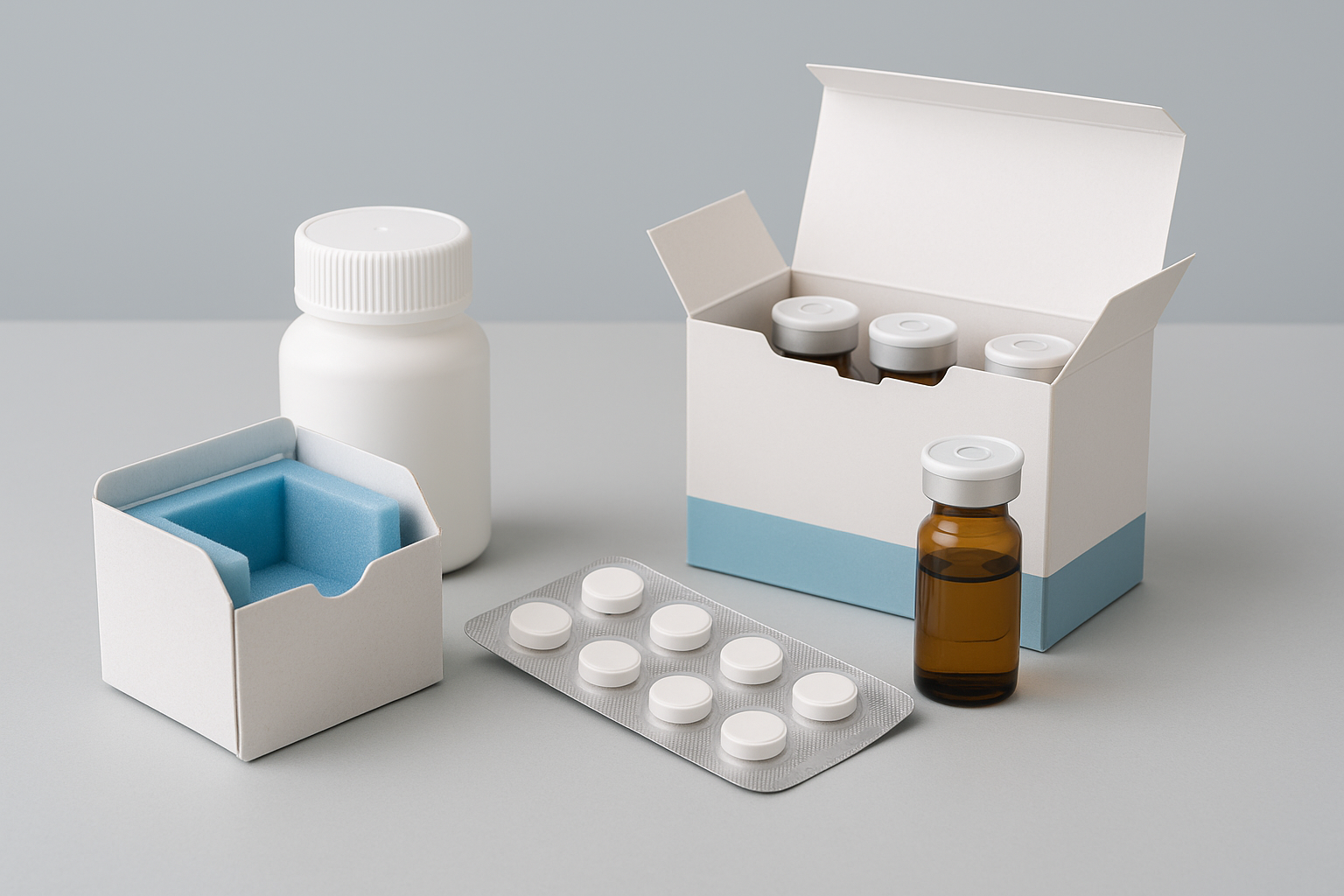
Introduction to Europe CDMO Clinical Trial Packaging
The landscape of pharmaceutical development continues to evolve rapidly, and the demand for specialized contract development and manufacturing organizations (CDMOs) in Europe has never been higher. Among the many services these organizations provide, clinical trial packaging stands out as a critical component for ensuring product stability, regulatory compliance, and patient safety. Europe CDMO clinical trial packaging solutions are now setting global benchmarks by combining innovation, efficiency, and quality management.
As the pharmaceutical industry faces challenges ranging from increasingly complex molecules to heightened regulatory oversight, Europe’s leading CDMOs have developed specialized packaging strategies that address these hurdles. Their expertise not only supports global sponsors but also ensures that products reach clinical trial sites and patients in optimal condition.
Why Clinical Trial Packaging Matters
Packaging for clinical trials involves more than just putting goods in containers. It represents a carefully designed system that ensures correct dosage forms, tamper evidence, stability maintenance, and accurate labeling. For Europe CDMO clinical trial packaging specialists, this process is a cornerstone of drug development. Errors in packaging can delay trials, compromise data, and even pose safety risks.
The significance of customized packaging solutions has increased due to the rising need for biologics, sophisticated therapies, and precision medications. European CDMOs have responded by building infrastructures that integrate flexibility, scalability, and compliance, ensuring pharmaceutical sponsors can move seamlessly from early-stage trials to large-scale global studies.
Integration with Cold Chain and Logistics
One of the defining features of clinical trial packaging today is its integration with temperature-sensitive logistics. Europe CDMO clinical trial packaging is often combined with advanced supply chain controls to protect product integrity. Maintaining stability for biologics, vaccines, and other sensitive products requires packaging systems that align with specialized transport methods.
Industry leaders have recognized that packaging cannot be isolated from logistics. For example, Pharmaceutical Cold Chain Logistics: Ensuring Drug Product Integrity and Compliance explores how packaging design and supply chain strategies must operate together to safeguard products across borders. European CDMOs are now embedding cold chain considerations into packaging design from the earliest stages, enabling compliance with international shipping regulations and ensuring drugs arrive at clinical sites uncompromised.
CDMOs and the Rise of Small-Batch Packaging
The surge in biotech startups and the development of niche therapies have created unprecedented demand for small-batch manufacturing. This trend is closely tied to packaging, as smaller runs often require greater customization and flexibility. Europe CDMO clinical trial packaging providers are uniquely positioned to meet this demand due to their agile infrastructures.
Many emerging biotechs rely on CDMOs for small-batch biologics, where packaging precision is crucial. As highlighted in Small-Batch Biologics CDMO Capacity: A Game-Changer for Emerging Biotech, the ability of European CDMOs to adapt quickly and efficiently provides a competitive advantage. By offering modular packaging lines and advanced automation, these organizations ensure that limited quantities of high-value therapeutics are packaged to meet stringent trial requirements.
Regulatory Alignment in Europe CDMO Clinical Trial Packaging
Compliance with international regulations is another factor driving the sophistication of Europe CDMO clinical trial packaging. The regulatory framework in Europe is among the most demanding in the world, encompassing guidelines from the European Medicines Agency (EMA) and requiring alignment with FDA and other global standards for international studies.
European CDMOs are leaders in integrating regulatory considerations into every stage of packaging design. This includes precise labeling with multi-language requirements, serialization to prevent counterfeiting, and tamper-evident features. The emphasis on compliance reduces risk for sponsors and ensures patient safety while maintaining efficiency across trials.
Maintaining Drug Integrity Through Packaging Innovation
Packaging must not only protect against tampering but also ensure that drug products retain their intended stability. The rise of temperature-sensitive biologics has brought a new focus to packaging materials and methods.
European CDMOs employ advanced barrier films, specialized blister packs, and innovative container-closure systems to preserve product stability. These measures complement logistics strategies such as those outlined in Maintaining Drug Integrity: Key Cold Chain Logistics Strategies, reinforcing how packaging and transport must work together. The innovation seen in Europe reflects an integrated approach where every packaging element serves to protect clinical trial outcomes.
Technology and Digital Transformation in Packaging
Digital tools are transforming how Europe CDMO clinical trial packaging is managed. Serialization technologies, electronic batch records, and track-and-trace systems are standard features of advanced packaging facilities. Beyond compliance, these technologies provide transparency and enable real-time monitoring of product movement.
The application of digital twins is particularly noteworthy. By simulating packaging and distribution processes, CDMOs can identify potential risks and optimize workflows before physical execution. This aligns with the advancements described in How Digital Twins Are Revolutionizing Formulation Development in CDMOs, where predictive models accelerate innovation and reduce costly errors. The adoption of digital solutions in packaging demonstrates how Europe’s CDMOs are not only responding to present needs but preparing for the future of clinical supply chains.
QbD Approaches to Clinical Trial Packaging
Quality by Design (QbD) principles are being applied increasingly in packaging to ensure robust outcomes. By anticipating risks and embedding quality into each process step, European CDMOs minimize variability and enhance reliability.
For example, packaging line designs now incorporate redundancy and flexibility, allowing for rapid adjustments if trial protocols change. The techniques described in QbD Strategy for Small Molecule APIs: Reducing CDMO Regulatory Risk, where structured methodologies lower regulatory exposure, are mirrored in this QbD-driven mindset. Applied to packaging, QbD ensures consistent performance while supporting compliance across international trials.
The Role of Customization in Europe CDMO Clinical Trial Packaging
Customization is critical for patient-centric trial design. Clinical trial packaging often requires specific dosing configurations, child-resistant features, or patient-friendly labeling. European CDMOs have become experts at tailoring packaging solutions to sponsor and patient needs.
Customized designs support adherence by making drug administration easier for trial participants, which in turn enhances data reliability. From blister cards that organize dosing schedules to smart packaging that incorporates electronic sensors, customization ensures trials run smoothly while meeting regulatory standards.
Expansion of Facilities and Capabilities Across Europe
Demand for clinical trial packaging is driving expansion across Europe. Leading CDMOs have invested in state-of-the-art facilities equipped with flexible packaging lines, automated inspection systems, and scalable operations. These investments are designed to meet the growing demand from global sponsors and support the rising number of complex therapies entering trials.
Strategic locations across Europe also play a role. Facilities near major transportation hubs allow for seamless integration with logistics networks, enabling rapid distribution to clinical sites worldwide. Europe CDMO clinical trial packaging providers leverage this geographic advantage to shorten lead times and maintain product quality during global distribution.
Sustainability in Clinical Trial Packaging
Sustainability has become a priority across the pharmaceutical industry, and packaging is a key area of focus. Europe CDMO clinical trial packaging is increasingly incorporating recyclable materials, reduced plastic usage, and energy-efficient processes.
These efforts align with broader environmental commitments while also meeting the expectations of sponsors and regulators. Sustainable packaging practices do not compromise product integrity but instead demonstrate how innovation can support both clinical and environmental goals.
Future Trends in Europe CDMO Clinical Trial Packaging
The landscape of clinical supply is rapidly changing, and Europe CDMO clinical trial packaging is now shaping future standards for innovation, compliance, and sustainability. Packaging today is no longer seen as a secondary service but as an integrated system that supports regulatory alignment, product stability, and patient adherence. With globalization, digitization, and personalized medicine driving demand, the role of European CDMOs in clinical trial packaging will only expand further.
Automation Driving Efficiency and Compliance
Automation continues to redefine Europe CDMO clinical trial packaging. Robotic packaging lines, automated inspection platforms, and machine learning algorithms now ensure higher accuracy and reduced human error. This trend strengthens what was earlier outlined in the section on Regulatory Alignment in Europe CDMO Clinical Trial Packaging, where precision and compliance were critical. Automation also enhances serialization and real-time monitoring, helping CDMOs maintain the traceability standards required for global clinical studies.
Patient-Centric Packaging Evolution
Packaging is also evolving toward a patient-first approach. Building on the earlier discussion of The Role of Customization in Europe CDMO Clinical Trial Packaging, patient-centric design ensures adherence and safety across diverse populations. Smart blister packs with electronic reminders, simplified labeling in multiple languages, and child-resistant containers are being deployed across Europe. These designs not only improve trial compliance but also enhance patient trust, making packaging a tool for clinical trial success rather than just containment.
Sustainability and Eco-Friendly Packaging Solutions
Sustainability has moved from optional to essential. As explained in the earlier section on Sustainability in Clinical Trial Packaging, European CDMOs are leading with recyclable films, biodegradable containers, and reusable cold chain systems. These efforts reduce environmental footprints while meeting EU sustainability targets. Sponsors are increasingly drawn to CDMOs that integrate eco-conscious practices without compromising drug stability or regulatory requirements.
Digital Transformation and Data-Driven Systems
Digital innovation remains central. Expanding on Technology and Digital Transformation in Packaging, European CDMOs are implementing electronic batch records, blockchain serialization, and predictive analytics. Digital twins, first discussed in How Digital Twins Are Revolutionizing Formulation Development in CDMOs, are now widely applied to simulate packaging processes and identify risks before execution. By integrating digital oversight, CDMOs achieve both efficiency and transparency, allowing sponsors to monitor clinical supply chains in real time.
Packaging Aligned with Cold Chain Logistics
The synergy between packaging and logistics remains one of the most defining features of modern trial support. The earlier section on Integration with Cold Chain and Logistics highlighted how sensitive biologics and vaccines demand robust packaging. Today, this integration is even more advanced, with smart sensors embedded in containers, reusable insulated systems, and temperature deviation alarms. Europe CDMO clinical trial packaging is now designed alongside logistics frameworks, ensuring compliant, end-to-end protection for biologics across borders.
Personalized Medicine and On-Demand Packaging
As niche therapies grow, packaging strategies must adapt. The rise of small-batch biologics, highlighted in Small-Batch Biologics CDMO Capacity: A Game-Changer for Emerging Biotech, has created a need for on-demand packaging solutions. European CDMOs now specialize in handling patient-specific labeling, individualized dosing formats, and chain-of-identity verification. Rapid customisation is made possible by modular packaging processes, which guarantee that patients receive cutting-edge medicines like CAR-T cell therapies with full traceability.
Applying QbD Principles to Next-Generation Packaging
Quality by Design (QbD), previously discussed in QbD Approaches to Clinical Trial Packaging, continues to shape packaging operations. CDMOs now design packaging lines with redundancy, flexibility, and risk anticipation built into every step. This approach ensures rapid adaptability if trial protocols shift, while maintaining consistent compliance across geographies. QbD allows European providers to minimize regulatory risk while guaranteeing reliable packaging outcomes.
Outlook for Global Clinical Trial Packaging from Europe
The future of Europe CDMO clinical trial packaging will combine automation, sustainability, cold chain integration, and patient-centricity. Strategic locations near global transport hubs and the integration of digital tools position European CDMOs as global leaders. By leveraging the strengths explored in Maintaining Drug Integrity: Key Cold Chain Logistics Strategies and other innovations, European providers are expected to remain at the forefront of clinical supply chain excellence.
Conclusion
Europe CDMO clinical trial packaging has moved from being a support service to a strategic enabler of global clinical research. The sector combines automation, patient-focused solutions, eco-friendly practices, and regulatory expertise into a single system that ensures medicines reach patients safely and compliantly. By building on strengths such as cold chain integration, digital twins, small-batch biologics capacity, and QbD strategies, European CDMOs are setting new global benchmarks. The coming decade will see packaging evolve into a fully digital, sustainable, and patient-driven discipline, reinforcing Europe’s leadership in clinical trial supply.
FAQs
1. What is the main role of clinical trial packaging in Europe?
It ensures correct labeling, dosage accuracy, tamper evidence, and stability while supporting global regulatory compliance.
2. How is cold chain integrated into packaging?
As discussed in Pharmaceutical Cold Chain Logistics: Ensuring Drug Product Integrity and Compliance, packaging is aligned with logistics systems to maintain biologic stability during global transport.
3. Why is automation important in packaging?
Automation reduces error, increases efficiency, and supports serialization to meet EMA and FDA requirements.
4. How does small-batch packaging support biotech firms?
It enables customized packaging for niche therapies, as highlighted in Small-Batch Biologics CDMO Capacity: A Game-Changer for Emerging Biotech, allowing emerging firms to scale efficiently.
5. What is patient-centric packaging?
It refers to designs that support adherence and ease of use, such as smart blister packs or multi-language labeling.
6. How does QbD improve packaging outcomes?
QbD anticipates risks and embeds flexibility in packaging systems, ensuring consistent compliance across regions.
7. Are European CDMOs focusing on sustainability?
Yes, as explained in Sustainability in Clinical Trial Packaging, European providers use recyclable, biodegradable, and reusable materials.
8. What technologies are transforming packaging?
Digital twins, blockchain serialization, and electronic batch records are redefining transparency and security in clinical trial packaging.
References
- European Medicines Agency (EMA) – Regulatory updates and clinical trial packaging compliance.
- World Health Organization (WHO) – Pharmaceutical development and global standards.
- U.S. Food and Drug Administration (FDA) – International packaging and labeling guidelines.
- Pharmaceutical Cold Chain Logistics: Guaranteeing the Compliance and Integrity of Drug Products – Insights on cold chain and packaging.


