Introduction
Continuous manufacturing is reshaping pharmaceutical production, especially for Contract Development and Manufacturing Organizations (CDMOs). Unlike traditional batch manufacturing, continuous manufacturing enables a streamlined, uninterrupted production process that maximizes efficiency and reduces waste. Using advanced technologies like real-time process control, CDMOs improve product quality, cut costs, and speed up production.
CDMOs adopting continuous manufacturing must overcome technical challenges and meet regulatory requirements. This guide explores how CDMOs can effectively implement continuous manufacturing to optimize their operations and gain a competitive edge.
What is Continuous Manufacturing in CDMOs?
Continuous manufacturing means raw materials are supplied and processed without interruption until the final product is ready.
For CDMOs, this approach improves consistency, boosts efficiency, cuts downtime, and increases overall throughput.
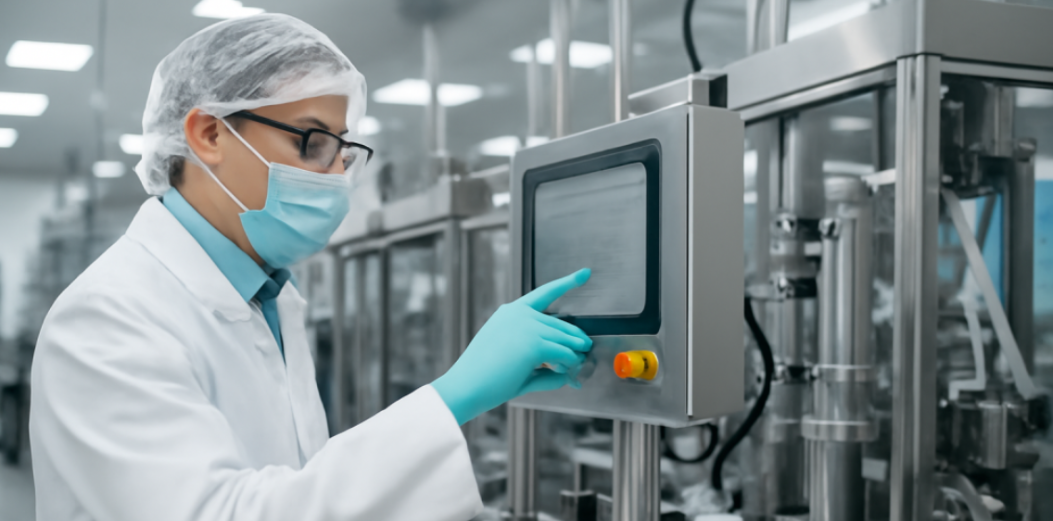
One of the major benefits of continuous manufacturing for CDMOs is the ability to integrate automation and advanced data analytics into the production line. This enables real-time process monitoring to ensure product quality and reduce human error. For pharmaceuticals, where consistency and quality are paramount, this is particularly advantageous.
In addition, continuous manufacturing reduces the need for large-scale storage of intermediate products, minimizing the risk of temperature excursions. Ensuring that temperature-sensitive pharmaceuticals maintain their integrity is critical, and therefore CDMOs must adopt robust systems to manage temperature excursions in pharmaceutical cold chain logistics. These efforts help ensure the quality of drugs from production through to distribution.
Why Choose Continuous Manufacturing?
There are several reasons why CDMOs are turning to continuous manufacturing as a means to enhance operational efficiency:
- Cost Efficiency: By eliminating batch processes, CDMOs can reduce operational costs through fewer resources, less waste, and minimal downtime.
- Consistent Product Quality: Continuous manufacturing facilitates real-time monitoring and process adjustments, ensuring higher quality consistency across all production runs.
- Faster Time-to-Market: The streamlined production process allows CDMOs to meet deadlines faster, bringing pharmaceutical products to market more quickly.
- Increased Flexibility: The flexibility of continuous manufacturing systems means CDMOs can quickly scale production up or down based on market demand and client needs.
For example, managing temperature-sensitive drugs in cold chain logistics requires careful coordination. By adhering to the Pharmaceutical Cold Chain Logistics: The Complete 2–8°C Guideline for 2025, CDMOs can ensure that drugs are kept within the necessary temperature range throughout the manufacturing and shipping process. This helps prevent spoilage and degradation, which could compromise the efficacy of the final product.
Challenges of Implementing Continuous Manufacturing
Making the switch to continuous manufacturing is not without its difficulties. CDMOs must navigate several potential obstacles:
- Upfront Investment: The initial cost of investing in continuous manufacturing equipment and infrastructure can be high. This includes purchasing automation systems, updating equipment, and installing real-time monitoring tools.
- Skilled Workforce: Successful implementation requires a team with the necessary technical expertise. This may require significant investment in workforce training to ensure staff are equipped to handle complex automation and control systems.
- Regulatory Compliance: CDMOs must ensure their continuous manufacturing process meets regulatory requirements established by bodies such as the FDA or EMA. This includes meeting Good Manufacturing Practices (GMP) and ensuring thorough documentation for validation and inspections.
- Integration with Legacy Systems: Many CDMOs operate existing batch systems, and integrating continuous manufacturing processes into these older systems can be complex. It requires proper planning and investment in the right technology.
While these challenges may seem daunting, they can be mitigated with a clear strategy. Working with experienced partners and technology providers ensures that CDMOs can integrate continuous manufacturing while maintaining compliance with regulations and ensuring system interoperability.
Steps for Successful Implementation
To successfully implement continuous manufacturing, CDMOs must take a strategic, step-by-step approach:
- Evaluate Current Manufacturing Processes
Before transitioning to continuous manufacturing, CDMOs need to assess their existing processes. This evaluation will highlight inefficiencies and identify areas where continuous systems can be integrated to improve production flow. - Implement Automation and Advanced Technology
Investing in automated systems is essential for the success of continuous manufacturing. Automated process control systems allow CDMOs to monitor critical parameters like temperature, pressure, and flow rate in real time. These systems provide valuable data that can be used to make informed decisions, ensuring a smooth production process and consistently high-quality products. Furthermore, ensuring compliance with pharmaceutical cold chain standards is essential to maintaining product integrity, which can be addressed by referring to guidelines such as Maintaining Drug Integrity: Key Cold Chain Logistics Strategies. - Regulatory Compliance and Validation
Regulatory compliance is critical when adopting new manufacturing methods. CDMOs must work with regulators to ensure their continuous manufacturing systems meet all the necessary quality standards. This includes adhering to cGMP (current Good Manufacturing Practices) and ensuring that process validations are properly documented. - Scale-Up
Once pilot testing is complete, CDMOs can scale up their continuous manufacturing process. This step should be accompanied by close monitoring to ensure the process operates efficiently and that production targets are met. Continuous optimization is essential for long-term success.
Best Practices for a Smooth Transition
- Start with a Pilot Project: Implementing continuous manufacturing in a CDMO environment is a complex task. Start small with pilot projects to work out any potential issues before scaling up. This guarantees a seamless transition and reduces risk.
- Collaborate with Technology Providers: Work closely with technology partners who have experience with continuous manufacturing systems. Their expertise will help streamline the implementation process and avoid costly mistakes.
- Monitor Continuously: Continuous monitoring of both the manufacturing process and product quality ensures that the system remains optimized. Use data to adjust processes in real time and maintain consistent results.
- Ensure Flexibility: The ability to adapt production volumes according to demand is crucial. Continuous manufacturing offers scalability, but CDMOs must ensure their systems are flexible enough to adjust based on market requirements.
In the process of implementing continuous manufacturing, CDMOs should also pay close attention to logistical challenges, especially when it comes to maintaining drug integrity during transportation and storage. It’s vital to have robust systems in place to handle temperature-sensitive products to ensure that these pharmaceutical products remain viable throughout the production and shipping phases. Following comprehensive cold chain logistics strategies, such as the complete 2–8°C guideline for 2025, can help mitigate any risks associated with temperature excursions.
Understanding the Role of Process Analytical Technology (PAT)
The incorporation of Process Analytical Technology (PAT) is a fundamental component of successful continuous manufacturing. PAT refers to the in-process monitoring and control of manufacturing processes using advanced sensors, analyzers, and data systems. By integrating PAT, CDMOs can gain real-time insights into production, which helps in optimizing processes and ensuring product consistency.
PAT makes it possible to continuously monitor critical process parameters (CPPs), including temperature, pressure, and chemical composition, as well as key quality characteristics (KQAs). This enables early detection of any deviations, allowing for immediate corrective actions. In essence, PAT enhances the reliability of continuous manufacturing by ensuring that the product is consistently within the required specifications, making it particularly beneficial for pharmaceuticals.
Moreover, incorporating PAT helps CDMOs meet regulatory compliance by ensuring that manufacturing processes are well-documented and reproducible. By tracking real-time data and maintaining thorough records, CDMOs can ensure compliance with Good Manufacturing Practices (GMP), a vital factor for maintaining product quality and patient safety.
Scaling Up Continuous Manufacturing for Different Product Types
When implementing continuous manufacturing, one of the key factors CDMOs need to consider is the scalability of the process. Unlike traditional batch systems, continuous manufacturing offers inherent flexibility in scaling up production. This is particularly advantageous for CDMOs working with different product types, from small-scale clinical trials to large-scale commercial production.
For small-batch or niche pharmaceutical products, continuous manufacturing allows CDMOs to efficiently produce small quantities while maintaining product quality. On the other hand, for large-scale production, continuous systems can handle higher output volumes with minimal adjustment, providing a cost-effective solution for mass production.
Scalability also extends to product complexity. For more complex drugs, such as biologics or combination therapies, continuous manufacturing offers precise control over the process, ensuring that all quality attributes are maintained throughout the production cycle. By adapting to these specific requirements, CDMOs can meet the demands of a diverse range of pharmaceutical products.
Optimizing Supply Chain Integration with Continuous Manufacturing
Integrating continuous manufacturing with the broader supply chain is a crucial aspect of successful implementation. CDMOs must ensure that their production system aligns with raw material suppliers, packaging providers, and distribution networks to maintain a seamless flow of products.
One challenge that arises is ensuring the timely availability of raw materials. In batch manufacturing, there’s more flexibility in terms of inventory management, but continuous manufacturing relies on a steady supply of raw materials to maintain the flow of production. CDMOs need to collaborate closely with suppliers to ensure that the necessary materials are available in the right quantities and at the right time.
Additionally, continuous manufacturing requires real-time tracking and communication across the supply chain. CDMOs must leverage technologies like Internet of Things (IoT) sensors and blockchain for traceability and transparency. Real-time monitoring allows manufacturers to track products at every stage of the supply chain, ensuring that all stakeholders are aligned and that there are no disruptions in the manufacturing process.
Regulatory and Compliance Challenges in Continuous Manufacturing
One of the most significant hurdles for CDMOs is ensuring regulatory compliance during the transition to continuous manufacturing. Regulatory bodies like the FDA and EMA have set stringent guidelines for pharmaceutical manufacturing, and continuous manufacturing must meet these standards.
For CDMOs, this means ensuring the validation of the continuous manufacturing process, maintaining adequate documentation, and ensuring that the process is reproducible. Unlike batch manufacturing, which operates on discrete production cycles, continuous manufacturing requires continuous monitoring of production parameters, which can present challenges for regulatory documentation and validation.
A key regulatory consideration for continuous manufacturing is ensuring that process controls are in place and that these controls are rigorously tested and validated. For instance, the FDA’s Process Analytical Technology (PAT) initiative encourages the use of real-time monitoring and control systems in continuous manufacturing. This technology allows CDMOs to ensure that they meet stringent regulatory requirements while maintaining product quality.
Furthermore, CDMOs must ensure that they comply with the International Council for Harmonisation of Technical Requirements for Pharmaceuticals for Human Use (ICH) guidelines. These guidelines are essential for pharmaceutical manufacturing processes and cover everything from quality control to risk management and process optimization. By adhering to these standards, CDMOs can minimize the risk of non-compliance and ensure the safety and efficacy of their products.
Ensuring the Quality of Products through Real-Time Monitoring
A fundamental advantage of continuous manufacturing is its ability to integrate real-time monitoring throughout the production process. By continuously tracking key parameters, CDMOs can optimize product quality and make necessary adjustments on the fly, ensuring consistency across all batches.
For instance, real-time quality assurance systems can immediately identify when the product deviates from the required specifications, enabling rapid corrective action. This not only ensures that the product meets the desired standards but also helps prevent potential issues before they affect large batches of products.
By using advanced monitoring systems, such as near-infrared (NIR) spectroscopy and ultraviolet-visible (UV-Vis) spectrophotometry, CDMOs can conduct in-line measurements of critical quality attributes (CQAs) without interrupting the production process. These systems provide data that can be used to adjust parameters like flow rate, temperature, or mixing speed, ensuring that the final product is consistently within the required specifications.
Additionally, real-time monitoring minimizes production delays and waste. Since continuous systems allow for dynamic adjustments, CDMOs can ensure that the production process remains efficient and that no time or resources are wasted on subpar products.
Collaboration with Partners and Vendors for Successful Implementation
Successful implementation of continuous manufacturing requires collaboration across various stakeholders, including technology providers, raw material suppliers, and regulatory bodies. It’s essential for CDMOs to work closely with technology providers who can offer expertise in automation, process control systems, and PAT.
Furthermore, collaboration with raw material suppliers is crucial for ensuring the timely and consistent supply of materials. Since continuous manufacturing processes are highly dependent on the availability of raw materials, CDMOs must establish strong relationships with suppliers to ensure that the materials meet the required standards for continuous processing.
CDMOs must also engage with regulatory authorities early in the process to ensure that their continuous manufacturing systems meet all regulatory requirements. This involves maintaining an open line of communication and ensuring that all testing and validation protocols are followed according to regulatory guidelines.
FAQs
- What is continuous manufacturing in the pharmaceutical industry?
Continuous manufacturing is a production process where pharmaceutical products are made without interruption, allowing raw materials to be continuously fed into the system and processed into the final product. - What are the advantages of continuous manufacturing for CDMOs?
Continuous manufacturing offers cost efficiency, improved product quality, faster time-to-market, and increased flexibility for scaling production up or down. - How does Process Analytical Technology (PAT) benefit continuous manufacturing?
PAT allows real-time monitoring of the manufacturing process, ensuring that product quality is maintained and deviations are detected early, reducing the risk of defects. - How do CDMOs ensure regulatory compliance with continuous manufacturing?
CDMOs ensure compliance by implementing process controls, maintaining proper documentation, conducting rigorous testing and validation, and adhering to regulatory guidelines like those from the FDA and EMA. - What role does automation play in continuous manufacturing?
Automation is crucial in continuous manufacturing as it ensures consistent, high-quality production, minimizes human error, and allows for real-time monitoring and adjustments. - Can continuous manufacturing be applied to small-batch production?
Yes, continuous manufacturing can be adapted for both small-batch and large-scale production, offering flexibility and efficiency across different product types. - What are the benefits of real-time monitoring in continuous manufacturing?
Real-time monitoring ensures that production parameters are consistently within the desired range, helping to maintain product quality, reduce waste, and avoid delays. - How does continuous manufacturing impact the pharmaceutical supply chain?
Continuous manufacturing requires better coordination with suppliers to ensure a constant supply of materials. It also involves real-time tracking and data-sharing across the supply chain for seamless integration.
References
- U.S. Food and Drug Administration (FDA). (2019). Industry Recommendations: Constant Production of Drug Substances and Drug Products.
- International Council for Harmonisation (ICH). (2016). Q8 Pharmaceutical Development.
- European Medicines Agency (EMA). (2020). Guideline on the Manufacture of Medicines: Good Manufacturing Practice.
- World Health Organization (WHO). (2019). WHO Good Manufacturing Practices for Pharmaceutical Products.
- Pharmaceutical Technology. (2021). The Future of Continuous Manufacturing in the Pharmaceutical Industry.


