Introduction
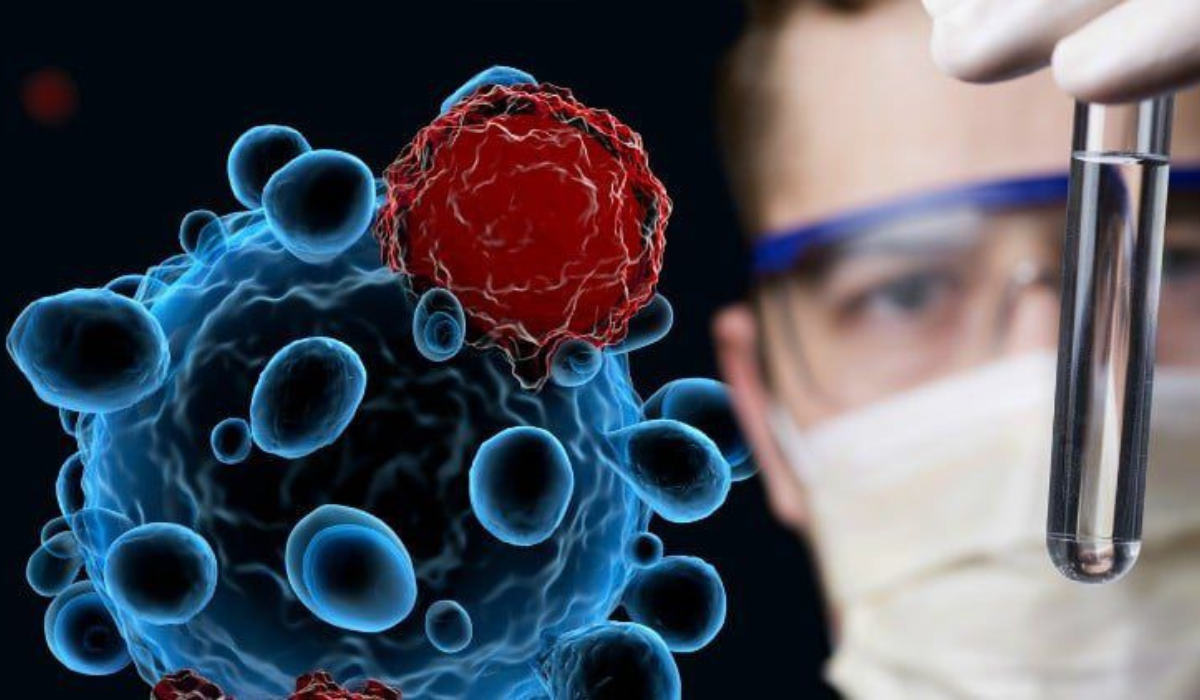
The safety of biological products hinges on the total absence of unintended biological contaminants. Adventitious Agent Testing is the rigorous process of screening for viruses, bacteria, fungi, and mycoplasma that may inadvertently enter the production stream. Because biologics use living cells, they are inherently vulnerable to contamination from raw materials, personnel, or the environment. Regulators, including the FDA and EMA, mandate a multi-layered testing strategy to ensure patient safety. For sponsors, partnering with a Contract Development and Manufacturing Organization (CDMO) requires a deep alignment on these protocols.
A robust testing strategy does more than just find contaminants; it prevents them. This article will examine:
- Testing Tiers: From raw materials to final drug products.
- Methodologies: Comparing traditional assays with modern molecular tools.
- Regulatory Expectations: How to document a strategy that passes inspection.
Understanding the Biologics Manufacturing Process Step by Step is vital for identifying where these risks are highest and where testing must be most intense.
The Regulatory Framework for Viral Safety
Global health authorities provide clear guidelines on viral safety through documents like ICH Q5A. These guidelines emphasize that no single test can guarantee the absence of adventitious agents. Instead, sponsors must implement a “Three-Pillar” approach. This includes selecting and testing starting materials, characterizing the cell banks, and validating the manufacturing process’s ability to remove or inactivate viruses.
CDMOs play a pivotal role in executing this strategy. When you define your Biologics CDMO Outsourcing Strategy, you must evaluate their ability to perform high-sensitivity assays. A failure in pillar one—testing the cell bank or raw materials—can lead to a contamination event that halts production for months, impacting the entire drug program’s timeline.
Characterizing the Starting Material
Every biologics program begins with a cell line. Adventitious Agent Testing starts at the Master Cell Bank (MCB) and Working Cell Bank (WCB) levels. These banks must undergo exhaustive screening to ensure no endogenous viruses or external contaminants are present. If the cell line is of murine (rodent) origin, specific tests for rodent viruses are mandatory.
Beyond the cells, raw materials such as bovine serum or porcine trypsin are common sources of contamination. CDMOs must strictly audit their suppliers and perform “entry testing” on high-risk biological components. This early detection is the first line of defense in maintaining a sterile manufacturing environment.
In Vitro and In Vivo Virus Assays
Traditional Adventitious Agent Testing relies on two primary types of biological assays. In vitro assays involve inoculating the test sample into a variety of indicator cell lines. Scientists monitor these cells for cytopathic effects (CPE), hemagglutination, or hemadsorption over several weeks. These tests are highly effective because they can detect a wide range of unknown viruses.
In vivo assays involve the inoculation of the sample into laboratory animals or embryonated eggs. While these tests are becoming less common due to ethical concerns and the rise of molecular methods, they remain a regulatory requirement for certain product types. They provide a final, “broad-spectrum” safety check that molecular tests might miss if the specific genetic sequence is unknown.
The Rise of Next-Generation Sequencing (NGS)
The landscape of Adventitious Agent Testing is currently undergoing a massive shift toward Next-Generation Sequencing (NGS). Unlike PCR, which requires you to know what you are looking for, NGS sequences every piece of genetic material in a sample. This allows for “massively parallel” detection of any viral or microbial DNA/RNA.
Many CDMOs are now offering NGS as an alternative to traditional in vivo tests. Regulators are increasingly accepting NGS data, provided the method is validated for sensitivity and specificity. Integrating NGS into the Biologics Tech Transfer Process can significantly speed up the characterization of new cell lines and reduce the overall time to clinic.
Testing the Unprocessed Bulk
The most critical stage for Adventitious Agent Testing during routine manufacturing is the “Unprocessed Bulk” (UPB). This is the material harvested directly from the bioreactor before any purification occurs. Because the bioreactor provides a perfect environment for viral replication, any contamination will be at its highest concentration here.
Every single batch of a biologic must undergo UPB testing. This includes tests for mycoplasma, sterility, and in vitro virus screening. Because these tests take time, they often dictate How Long Biologics Manufacturing Takes. If a CDMO can implement rapid methods for UPB clearance, they can significantly reduce the lead time for drug product release.
Viral Clearance Studies and Process Validation
Testing alone is not enough. You must also prove that your purification process can physically remove or chemically inactivate viruses. This is achieved through “Viral Clearance Studies.” In these studies, specialized labs (often separate from the CDMO) “spike” the process with high concentrations of model viruses.
The study measures how many “logs” of virus the chromatography or filtration steps can remove. These studies are high-stakes and expensive. Following Biologics Tech Transfer to CDMOs: Risks and Best Practices ensures that the process used in the clearance study is identical to the one used in the GMP facility. Any discrepancy can lead to the clearance data being rejected by regulators.
Documentation and Traceability Requirements
When you submit your BLA or IND, your Adventitious Agent Testing data must be impeccable. Regulators look for a clear “Chain of Identity” for every test performed. They want to see the raw data, the validation reports for the assays, and the certificates of analysis (CoAs) for all raw materials.
A CDMO’s Quality Management System (QMS) is the engine that produces this documentation. During your audit, you must verify that they have robust “Data Integrity” protocols. If an inspector cannot trust the testing records, they cannot trust the safety of the drug. Poor documentation is one of the most common reasons for regulatory delays in biologics.
Red Flags in CDMO Testing Strategies
Sponsors must be vigilant when evaluating a CDMO’s approach to Adventitious Agent Testing. Certain red flags indicate a high risk of regulatory rejection:
- Reliance on outdated methods: If a CDMO refuses to adopt modern molecular tools like qPCR or NGS where appropriate.
- Inadequate sample volumes: If the testing volume is too small, the sensitivity of the assay is compromised.
- Poor separation of activities: Testing labs should be physically separated from manufacturing areas to prevent cross-contamination.
Addressing these issues early in the partnership prevents “Safety Traps” that can appear during Phase III or commercialization.
The Impact of Contamination Events
A single positive result in Adventitious Agent Testing is a crisis. It requires a massive “Root Cause Analysis” (RCA) to determine the source. Was it a raw material? Was it a failure in the sterile barrier? Was it introduced by an operator? The entire facility may need to undergo a “Deep Clean” and decontamination, costing millions in lost time.
CDMOs with experience in contamination recovery are rare but valuable. They have established protocols for cleaning bioreactors and piping systems after a viral hit. However, the best strategy is always prevention through rigorous environmental monitoring and strict adherence to aseptic techniques.
Conclusion
In conclusion, Adventitious Agent Testing is the cornerstone of biological safety. Building a strategy that regulators accept requires a multi-layered approach involving raw material screening, exhaustive cell bank characterization, and robust process validation. As technology evolves, the integration of Next-Generation Sequencing and rapid molecular assays will continue to improve our ability to detect hidden threats. For sponsors, the key to success lies in choosing a CDMO partner that treats viral safety not just as a compliance requirement, but as a scientific priority. By documenting a clear, data-driven testing strategy, you ensure that your biologic can navigate the regulatory pathway with confidence and, ultimately, protect the patients who depend on these transformative therapies.
Frequently Asked Questions (FAQs)
- What is the limit of detection for adventitious agents? Assays must typically detect contaminants at extremely low levels, such as 10 to 100 infectious units. Specific regulatory jurisdictions determine these precise limits based on the virus type and product risk.
- Can I replace all animal testing with NGS? Many regulators now accept Next-Generation Sequencing (NGS) as a modern alternative. However, some authorities still require traditional in vivo assays for high-risk products or those with limited manufacturing history.
- How often should I test my raw materials? CDMOs must test high-risk materials like bovine serum for every individual lot. For low-risk synthetic chemicals, manufacturers often rely on supplier Certificates of Analysis (CoAs) or perform periodic skip-lot testing.
- Why do regulators include mycoplasma in adventitious agent testing? Regulators classify mycoplasma as adventitious because these bacteria lack cell walls and contaminate cell cultures easily. Their small size makes them particularly difficult to detect and remove during the manufacturing process.
- Does a positive test result always disqualify a batch? Yes, a positive result almost always leads to batch rejection. Regulators generally prohibit manufacturers from re-processing a biologic once they detect a viral or bacterial contaminant in the bulk material.
- What role do model viruses play in clearance studies? Scientists use model viruses, such as Xenotropic Murine Leukemia Virus, to represent potential human pathogens. These “spiking” studies prove that the purification process can effectively remove or inactivate real-world contaminants.
References and Further Reading
- ICH Q5A (R2): Viral Safety Evaluation of Biotechnology Products: The primary global guideline for viral safety and testing requirements.
- FDA Guidance for Industry: Characterization and Qualification of Cell Substrates: Detailed US expectations for cell bank safety.
- European Pharmacopoeia (Ph. Eur.) Chapter 2.6.16: Standards for the production and quality control of vaccines and biologicals.
- Nature Reviews Drug Discovery – Viral Safety in Bioprocessing: A comprehensive look at modern contamination risks and detection technologies.
- Journal of Virological Methods: Peer-reviewed research on the sensitivity of NGS and PCR in adventitious agent detection.
- PDA Technical Report No. 41: Virus Filtration: A technical resource for one of the most critical viral removal steps in biologics manufacturing.


